
A Complete Guide to Hydraulic Hoses (Updated for 2025)
By Helcon Hydraulics – Serving Kimberley & Surrounding Areas for Over 26 Years
Hydraulic hoses are essential components in the machines that power our world — from tractors in the fields to cranes on construction sites. As a trusted hydraulic service provider based in Kimberley, Helcon has decades of hands-on experience working with every type of hose and system. In this updated guide, we explain what hydraulic hoses are, how they are used, and how to select and maintain them for maximum performance and safety.
What Are Hydraulic Hoses?
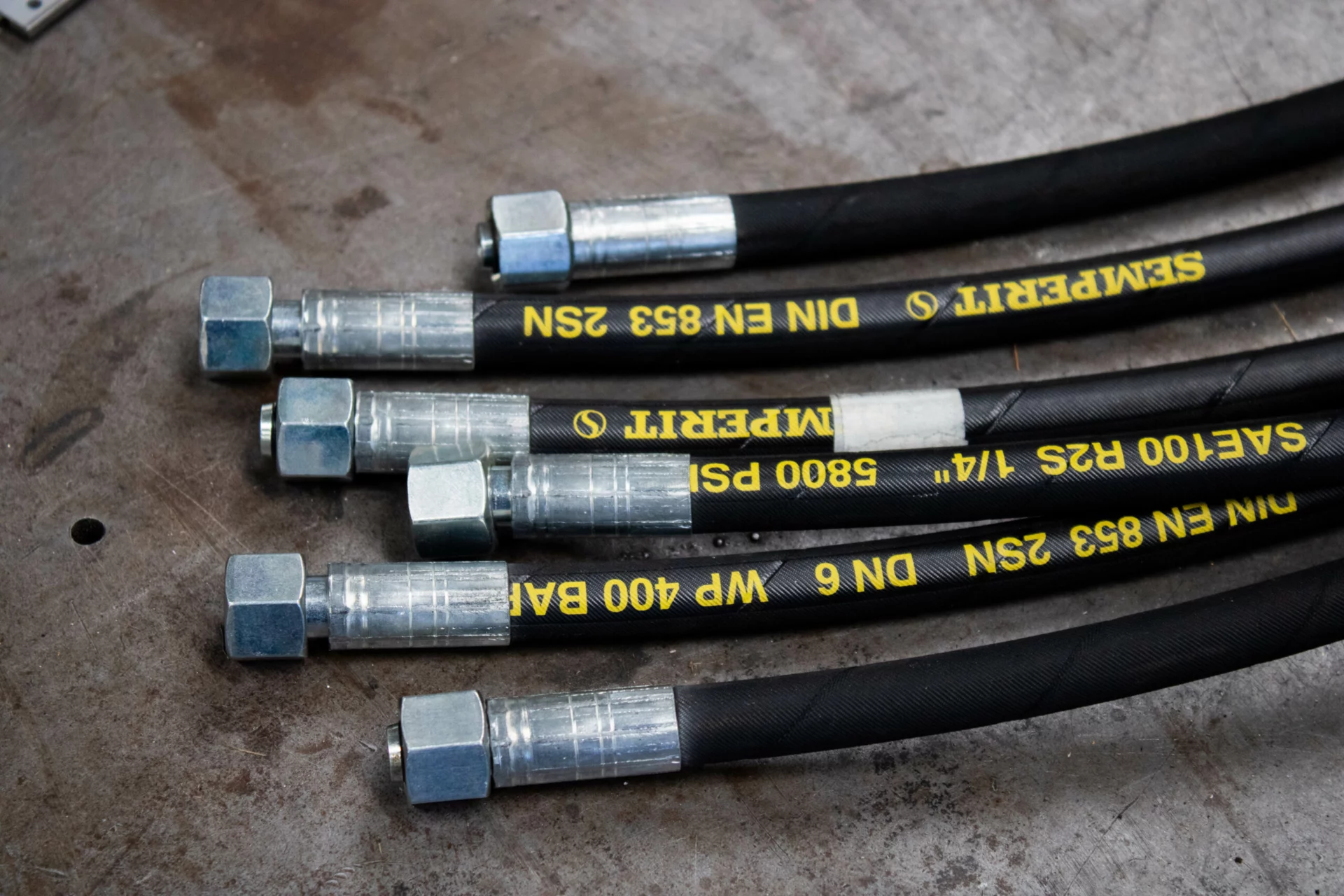
Hydraulic hoses are flexible, high-pressure tubes designed to carry hydraulic fluid between components such as pumps, cylinders, and valves. They transmit power within a hydraulic system, making them essential for fluid-driven machinery.
Common Applications of Hydraulic Hoses
Hydraulic hoses are used across many industries, each with its own performance requirements. Here’s a breakdown of where and how they’re applied:
| **Industry | Common Applications** |
|---|---|
| Agriculture | Tractors, sprayers, hydraulic rams, bale wrappers |
| Construction | Excavators, cranes, concrete mixers, dump trucks |
| Transport | Tipper trucks, trailers, waste compactors, lifting equipment |
| Manufacturing | Injection moulding, robotic systems, industrial presses |
| Mining | Haul trucks, drills, rock breakers, excavators |
| Aviation | Flight control systems, landing gear, cargo loaders |
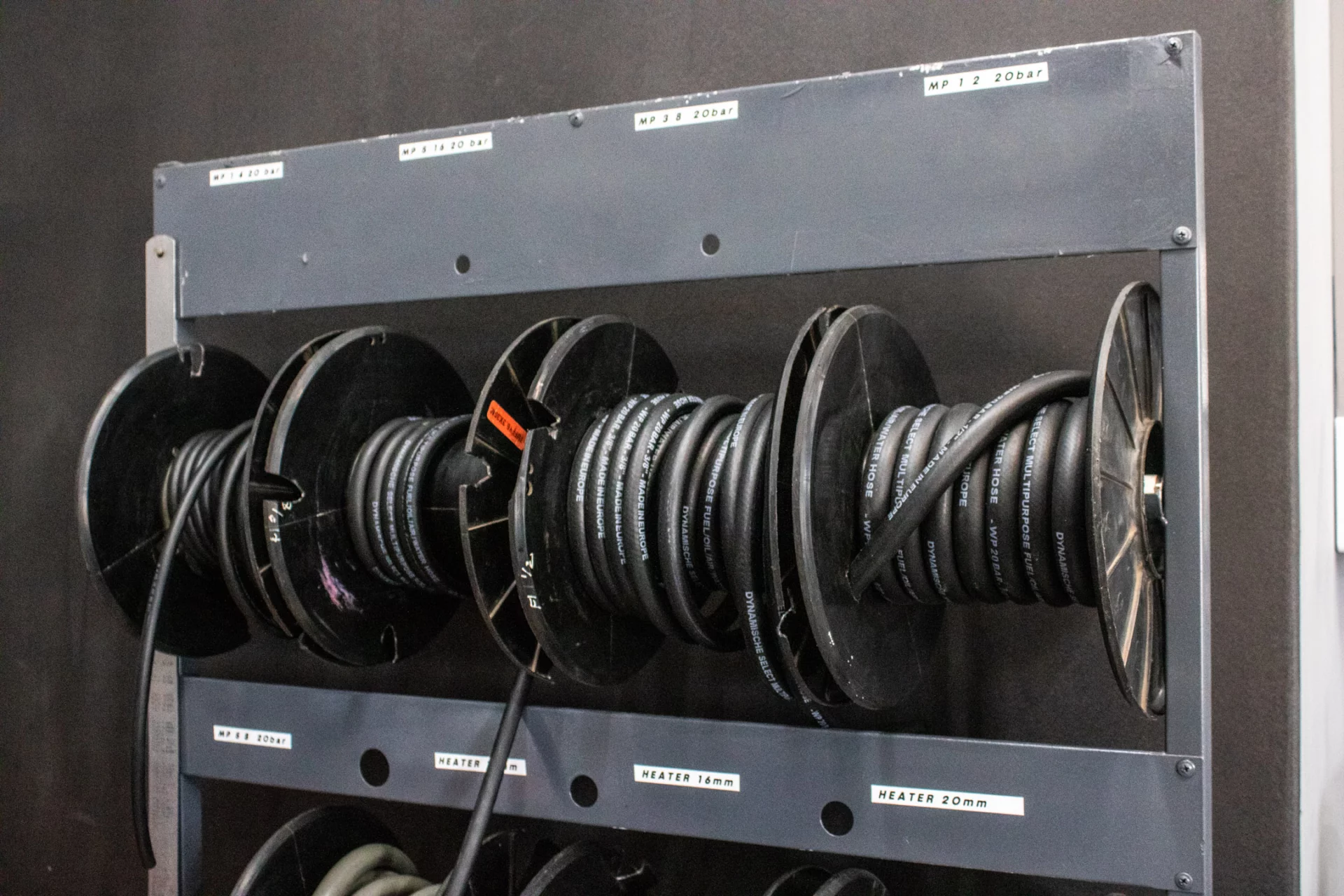
For more details about our services in these industries, visit our hydraulic services page.
Types of Hydraulic Hoses (And When to Use Them)
Choosing the correct hose is critical to ensuring safety, efficiency, and longevity.
| **Hose Type | Best For** |
|---|---|
| Braided Steel Hose | High-pressure industrial use |
| Spiral Wire Hose | Extreme pressure conditions like mining or heavy-duty transport |
| Thermoplastic Hose | Tight installations, chemical resistance, lower weight |
| PTFE (Teflon) Hose | High temperature and chemical compatibility |
| Textile-Reinforced Hose | Low-pressure mobile or agricultural equipment |
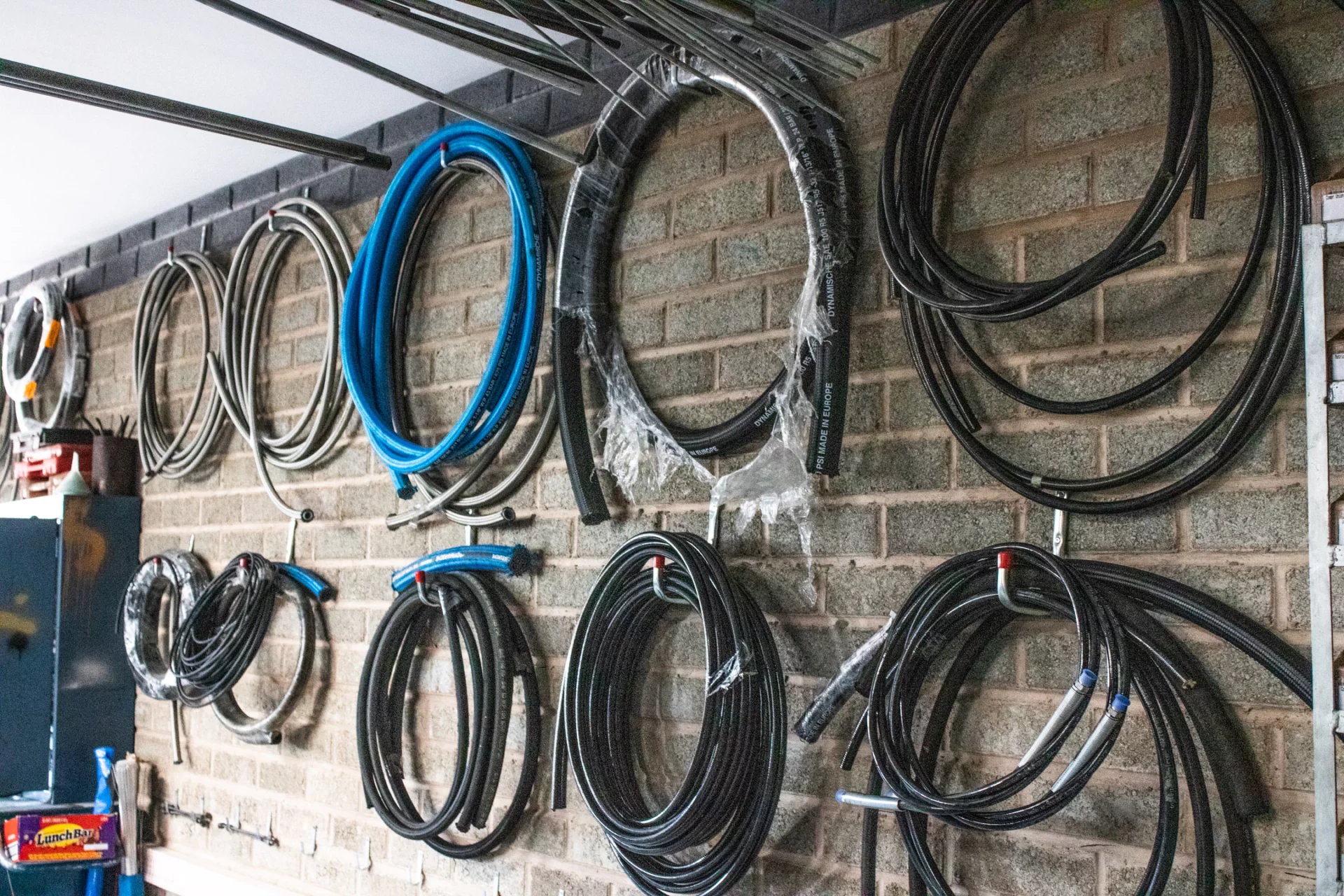
Need custom hoses? Visit our Kimberley workshop for made-to-measure hydraulic hoses and fittings.
Why Hydraulic Hoses Fail (And How to Prevent It)
Even the best hoses fail when they’re not maintained or installed properly. Here are the most common causes of failure and how to avoid them:
Causes of Failure:
- Abrasion from poor routing
- Overheating or UV exposure
- Using the wrong hose for the pressure or fluid type
- Poor crimping or connector mismatch
- General wear from lack of maintenance
Preventative Measures:
- Use abrasion-resistant sleeves or proper clamping
- Routinely inspect for cracks, blisters, or oil residue
- Store hoses in a cool, dry space
- Replace seals or connections before visible failure
- Avoid tight bends beyond the hose’s bend radius
Trends in Hydraulic Hose Technology for 2025
Hydraulic hose technology continues to evolve, especially with growing demands for efficiency, environmental safety, and remote monitoring. New trends include:
- Eco-friendly hose materials made from recyclable compounds
- High-flex rubber blends for extreme flexibility in tight spaces
- Smart sensors to detect leaks and internal pressure fluctuations
- Nano-seal interior linings to reduce fluid loss and increase service life
At Helcon, we’re committed to offering high-quality hose solutions that reflect the latest standards in performance and safety.
Hydraulic Hose Maintenance Tips
Proper hose maintenance not only extends the lifespan of your components but also prevents unexpected equipment failure. Here’s a simple checklist:
- Inspect hoses weekly for signs of wear or leaks
- Replace cracked or frayed ends immediately
- Clean the outer surface to prevent contamination
- Use professional crimping tools for replacements
- Record installation dates to monitor usage cycles
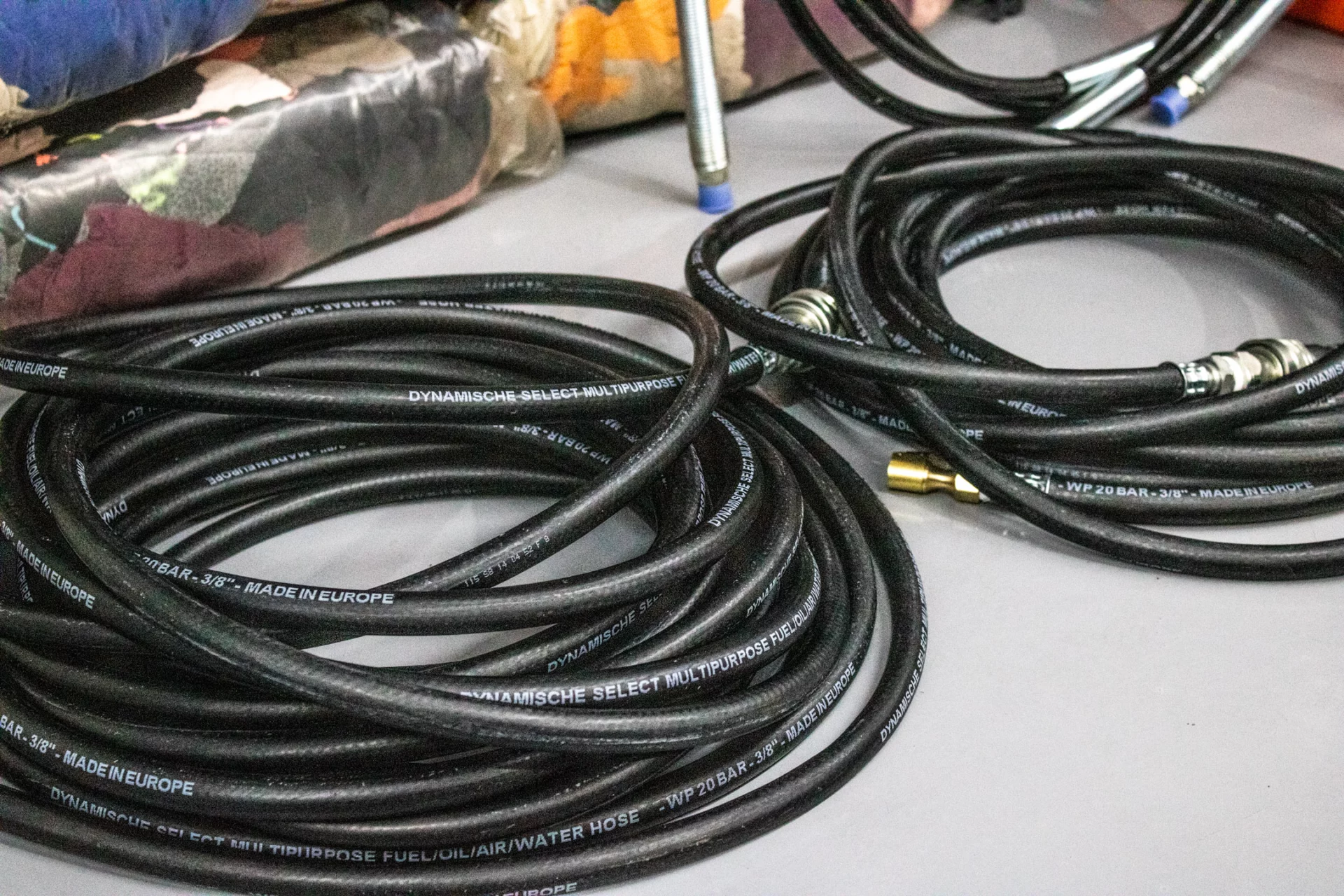
If you need replacements or servicing, you can book a service with our workshop in Kimberley.
Are There Eco-Friendly Hydraulic Hoses?
Yes. Many manufacturers now offer hydraulic hoses made with recyclable materials and manufactured through low-emission processes. Choosing these options can support your company’s sustainability goals without sacrificing performance.
When sourcing hoses for your operation, ask about options that are certified for reduced environmental impact.
Case Study: Hydraulic Hoses in Construction
On large-scale construction sites, cranes play a central role in lifting and positioning heavy loads. Every movement — whether it’s the boom extending or a winch lifting — depends on hydraulic hoses working under high pressure.
In one Kimberley-based project, Helcon rebuilt several key hoses for a mobile crane. By replacing worn and cracked lines, we helped avoid a major safety incident and cut downtime by over 50%.
Frequently Asked Questions
Are hydraulic hoses interchangeable?
No. Each hose must match specific pressure ratings, diameters, and fittings. Incorrect substitution can lead to system failure or safety hazards.
Can hydraulic hoses be repaired?
In many cases, yes. Minor leaks or damaged ends can be fixed, but severely worn or cracked hoses should always be replaced by a professional.
What’s the average lifespan of a hydraulic hose?
Depending on usage and environment, most hoses last between 4 to 6 years. Harsh conditions can shorten this timeframe.
How do I prevent leaks?
Use proper fittings, follow installation best practices, and inspect hoses regularly for signs of damage or wear.
Can hoses be used in extreme temperatures?
Yes. Select hoses that are specifically rated for high or low-temperature applications to ensure safety and performance.
Do you offer custom hose fabrication in Kimberley?
Yes. Helcon offers hose cutting, crimping, and fitting assembly on-site. Contact us to request a quote.
Final Thoughts
Hydraulic hoses play a vital role in powering modern machinery across construction, agriculture, transport, and more. With the right hose, proper installation, and regular maintenance, your hydraulic systems will run smoother and last longer.
If you’re operating in Kimberley or anywhere in the Northern Cape and need a dependable hydraulic partner, Helcon is here to help — with over 26 years of industry experience, fast turnaround times, and top-tier components.
Contact Helcon Hydraulics
Location: Farm 187, Landbouweg, South Ridge, Kimberley
Office: 053 831 3711
Mobile: 082 302 4070
Email: elri@helcon.co.za